

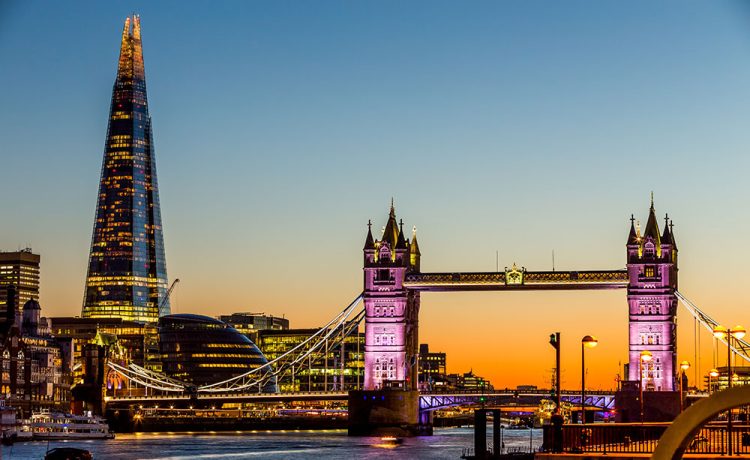
London by day is busy, loud, heavy. But when the sun drops, something changes. Streets glow different. Not empty, not quiet, but thinner. People slow down. Office workers gone, tourists wandering with cameras that don’t catch the right light. The landmarks still sit there — Big Ben, the Tower, all the postcard stuff — but the real part of London’s night is away from that. You step sideways, into smaller roads, smaller spaces, and the city feels like it’s telling a different story.
Walking Without a Plan
The trick is not having a map. You leave Westminster or Piccadilly behind, cut down a side street, and you get pieces that don’t feel staged. Cafés still open with yellow lights spilling out. A bakery shutting down but still smelling sweet. Someone playing guitar to no one in particular. Those are the parts that last more than a photo of Parliament lit up. The city rewards you if you walk it slow.
Corners With Their Own Glow
Every district has corners that change after nightfall. Soho pulls people in with neon and noise, sure, but if you take two wrong turns you’re in a street with one late restaurant, a single red door, soft music leaking out. Mayfair sharpens up — everyone dressed sharp and in London club dress code, flashing lights, polished windows, long cars sliding by. Southbank stretches out, a different rhythm altogether, open air but with crowds drifting between bars, book stalls, the river always in the background. Camden flips noisy in its own way. Nothing uniform.
Eating After Hours
Food is different when it’s late. It’s not about fine dining anymore, though you can get that if you want. It’s about the atmosphere wrapped around it. Some places keep candles burning until midnight, serving smaller menus that feel heavier because of the hour. Other spots pull you in with late snacks — small plates, street food, ramen steaming while the air outside is cold. London after dark eats better than most cities because it doesn’t shut down early. You can sit with a bowl of noodles at 1am, and it makes sense. You can sit with oysters at 11, and that makes sense too.
Music in Unexpected Rooms
Not talking arenas. Talking rooms where you sit three steps away from a piano, or where a jazz trio sets up behind the bar. You don’t plan it, you stumble into it. A theatre café with a late show, a basement with a singer leaning on the mic, a rooftop with a guitar player and nothing else. The point is, London’s music isn’t just ticketed events. At night, it drifts. You catch it without looking.
Lights on the River
The Thames is a whole show by itself once the sun goes. Bridges glow up, the water pulls the light, moves it. Walk from Tower Bridge to Westminster at night—you don’t really need anything else. The river carries everything: voices, traffic, scraps of music, then nothing at all in some stretches. It hits you different each time. Makes the city feel massive and you feel tiny, like you’re both inside it and outside of it at once. Tourists stick to the Eye, but the best part is just walking the path, no plan.
Markets That Don’t Sleep
Most people think markets are a morning thing. Borough, Spitalfields, all that. But a few run later, and they feel different at night. Less crowded, fewer tourists, more space to see what’s actually there. Food stalls flipping into drink stalls, vintage sellers dragging the day longer because people keep showing up. The lights are harsher, shadows sharper. It’s not the polished London guidebooks mention, but it’s the one you remember.
Secret Gardens and Squares
London has too many squares to count. In daylight they’re quiet, benches, offices all around. At night they flip into something else. Almost private, even if they’re open. You walk into Berkeley Square or Bloomsbury, and suddenly the traffic noise is gone. Trees hanging over, lamps buzzing low, a couple half-whispering on a bench. You don’t plan to go there. You just end up there. And when you do it feels like the city handed you a secret. Not a sight for tourists, just a quiet scene you could almost miss if you didn’t stop.
Theatres After Hours
Everyone knows West End shows. They sell out, big names, flashing boards. But after the curtain call, the side streets are the real part. Actors spilling out of stage doors, still half in costume. Small theatres letting audiences hang back in the bar. Late-night fringe productions where tickets cost less than dinner and the plays feel raw, unfinished, urgent. You don’t get that in daylight. It’s part of London’s DNA — the theatre doesn’t really sleep, it just changes form.
Bars That Don’t Brag
Not the loud ones. The small ones with no signs. You walk past twice before you notice. Inside it’s dim, voices low, shelves stacked with bottles no one labels. You sit down. No menu, no fuss. Bartender just says, I’ll pour you this. And it works because it’s not about showing off. It’s about being in the moment, part of whatever night’s unfolding. Spots like that—they build the city as much as Big Ben ever did. But you only find them if you weren’t looking for them in the first place.
Streets as Stage
Walk through Covent Garden late and it feels like a stage set that didn’t get packed away. The cobbles, the arches, a single violinist playing for whoever is left. In Shoreditch the walls themselves are part of it — graffiti, murals, painted shopfronts lit by street lamps. South Kensington feels like film scenes stitched together. Each part of London has its own version of stage, and walking it at night is like moving through different acts.
When the Tourists Leave
One of the best tricks is waiting until late enough that the buses thin out. You stand by Trafalgar Square or St Paul’s after midnight, and the weight of the buildings feels heavier. No one taking pictures, no chatter. Just stone and sky and light. That’s the London people miss — the version that doesn’t perform for visitors, the one that just exists, stripped down, still standing.
Eating Again Before Morning
For some reason the last bite before heading home always lands harder. Bagels in Brick Lane, curry in Tooting, pizza slices carried through Soho. Doesn’t matter if it’s cheap or expensive, it feels like the bookend. The food becomes the memory because it ties to the walk, the music, the people you were with. London’s night eats aren’t just practical, they’re ritual.
The Pace of It All
The real difference between London night and London day is pace. Day pushes you forward. Schedules, meetings, tubes packed. At night, the city lets go. Streets open, people linger, conversations stretch. Even if you’re in the same spots, it feels different. You walk slower, you notice more. And that’s where the city shows its other side.
Why It Sticks
You don’t remember the postcard shots. Not really. You remember the side alley café you ducked into because it was raining. You remember the string lights across a small square. The sound of a saxophone from a basement. The river flashing under a bridge. That’s the version of London by night that sticks. Beyond landmarks, beyond staged views. The version that feels like it belongs to you for a few hours.