

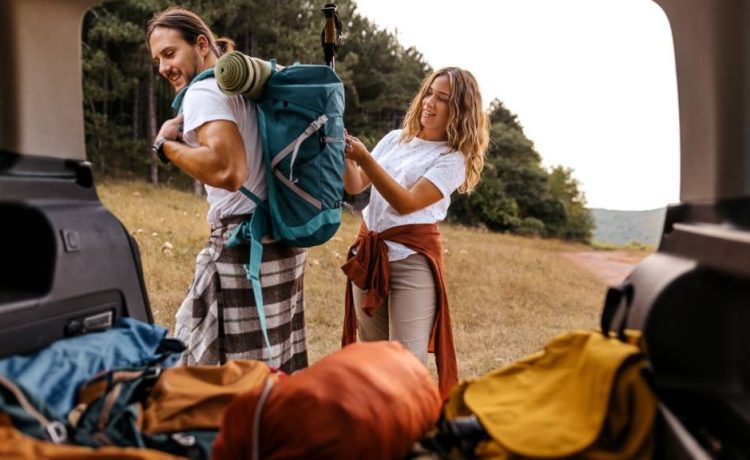
Adventure travel is exhilarating precisely because it’s unpredictable. One day you’re trekking through misty mountains, the next you’re crossing rivers or navigating unfamiliar cities. Packing well doesn’t mean packing more—it means packing smart. This guide focuses on practical, field-tested essentials that keep you comfortable, safe, and ready for the unexpected, without weighing you down.
Core Packing Principles for Adventure Travel
Before getting into specific items, a few fundamentals make all the difference.
Think function over fashion. Every item should serve a clear purpose.
Plan for layers, not bulk. Weather changes fast outdoors.
Assume limited access. Laundry, power, and supplies may be scarce.
Leave room. You’ll likely pick up gear or souvenirs along the way.
Clothing Essentials (Versatile and Durable)
Adventure travel clothing should adapt to multiple conditions while staying lightweight.
Must-Have Clothing Items
- Moisture-wicking base layers – Dry quickly and prevent chafing
- Insulating mid-layer – Fleece or lightweight down jacket
- Weatherproof outer shell – Windproof and waterproof
- Convertible or quick-dry pants – Ideal for hiking and travel days
- Comfortable travel shirts – Long sleeves help with sun and insects
- Thermal underwear – Essential for cold nights
- Underwear and socks (merino wool preferred) – Odor-resistant and fast-drying
Pro tip: Stick to neutral colors so everything mixes and matches easily.
Footwear That Can Handle Anything
Your feet take the most punishment, so don’t compromise here.
Footwear Checklist
- Broken-in hiking shoes or boots – Match them to the terrain
- Lightweight sandals or camp shoes – For rest days and river crossings
- High-quality hiking socks – Bring at least two extra pairs
Blisters can derail an entire trip, so comfort matters more than brand names.
Adventure Gear You’ll Be Glad You Packed
This is where thoughtful preparation really pays off.
Essential Gear
- Daypack with hydration compatibility
- Reusable water bottle or filtration bottle
- Compact first-aid kit – Include blister care and pain relief
- Headlamp or flashlight – Hands-free light is invaluable
- Multi-tool or small knife – Check airline rules before packing
- Dry bags – Protect electronics and clothing
- Quick-dry travel towel
These items often seem optional—until the moment they become essential.
Toiletries and Personal Care (Minimal but Smart)
Overpacking toiletries is common and allows unnecessary weight to creep in.
Keep It Simple
- Travel-size toiletries or solid alternatives
- High-SPF sunscreen – Even on cloudy days
- Insect repellent – Especially in tropical or forested regions
- Lip balm with SPF
- Hand sanitizer and wet wipes
- Basic medications and prescriptions
Solid shampoo bars and soap sheets save space and avoid spills.
Tech and Documents You Can’t Forget
Technology should support the adventure, not distract from it.
Travel Tech Essentials
- Smartphone with offline maps downloaded
- Portable power bank
- Universal travel adapter
- Charging cables (bring a spare)
Important Documents
- Passport and visas
- Travel insurance details
- Copies of key documents (digital and paper)
- Emergency contacts
Store documents in a waterproof pouch for extra security.
Safety and Preparedness Items
Being prepared doesn’t mean expecting the worst—it means being ready.
- Emergency whistle
- Basic navigation tools (map, compass, or GPS)
- Small notebook and pen
- Cash in small denominations
These lightweight items can make a big difference when plans change.
What Most People Regret Packing
Avoid these common mistakes that take up space without adding value.
- Heavy books (use an e-reader instead)
- “Just in case” outfits
- Full-size toiletries
- Uncomfortable shoes that aren’t broken in
If you haven’t used it on previous trips, you probably won’t use it this time either.
Final Thoughts
A great adventure travel packing list isn’t about being prepared for everything—it’s about being ready for what actually happens. Prioritize comfort, adaptability, and safety, and you’ll travel lighter while experiencing more. When every item earns its place, your focus stays where it belongs: on the journey itself.
Frequently Asked Questions
1. How do I decide what to leave behind?
If an item doesn’t serve at least two purposes or solve a real problem, it’s usually safe to skip.
2. How many outfits should I pack for a long adventure trip?
Plan for 5–7 days of clothing and wash along the way rather than packing for every day.
3. Is travel insurance really necessary for adventure travel?
Yes. Activities like hiking, diving, or remote travel carry higher risks, making insurance essential.
4. What’s the best backpack size for adventure travel?
For most trips, a 40–50 liter backpack balances capacity with mobility and airline compatibility.
5. Should I pack specialized gear or rent it at my destination?
Pack personal essentials like footwear, but rent bulky or activity-specific gear when possible.
6. How can I keep my pack organized?
Use packing cubes and dry bags to separate clothing, gear, and electronics.
7. What’s one item most travelers forget?
A headlamp—it’s surprisingly useful in hostels, campsites, and power outages.
If you want, I can tailor this list for specific adventures like trekking, scuba diving, or cold-weather travel.


