

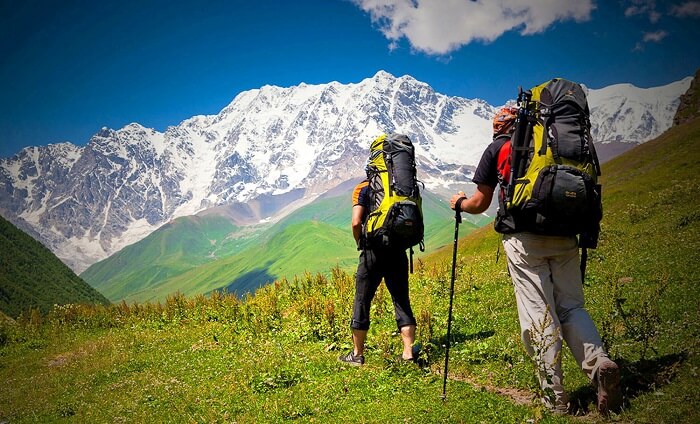
Adventure travel is no longer a niche reserved for thrill-seekers and extreme explorers. It has evolved into a mainstream travel movement shaping how people choose destinations, spend money, and define meaningful experiences. As global travel patterns shift, adventure tourism is emerging as the most resilient, impactful, and future-focused segment of the industry.
The Shift From Sightseeing to Experiencing
Modern travelers are moving away from passive sightseeing and toward immersive, experience-driven journeys. Checking landmarks off a list no longer satisfies travelers who want deeper connections.
Adventure travel offers:
- Hands-on cultural interactions
- Physical engagement with nature
- Stories and memories instead of souvenirs
This shift reflects a broader desire to participate rather than observe, making adventure travel the natural evolution of tourism.
Travelers Want Meaning, Not Luxury
Luxury today is defined less by five-star hotels and more by authentic, transformative experiences. Adventure travel aligns perfectly with this mindset.
People are increasingly drawn to:
- Local homestays instead of resorts
- Guided treks instead of bus tours
- Community-based tourism over mass travel
These experiences create emotional value that outlasts traditional vacations.
Sustainability Is No Longer Optional
One of the strongest reasons adventure travel represents the future of tourism is its close alignment with sustainable and responsible travel practices.
Adventure tourism often emphasizes:
- Low-impact travel
- Conservation-focused activities
- Supporting local economies
- Preserving natural and cultural heritage
As travelers become more environmentally conscious, they gravitate toward tourism models that give back rather than take away.
Adventure Travel Appeals to Every Generation
While millennials helped popularize adventure tourism, it now spans all age groups. What’s changing is the definition of adventure.
Adventure today can mean:
- Gentle hiking and wildlife safaris
- Culinary and cultural explorations
- Cycling, kayaking, or slow travel
- Multi-generational trips with shared activities
This flexibility allows adventure tourism to grow without being limited to extreme sports.
Technology Is Fueling the Growth
Technology has removed many of the barriers that once made adventure travel intimidating.
Key enablers include:
- GPS navigation and offline maps
- Instant access to safety information
- Digital booking for remote destinations
- Social media inspiration and storytelling
Instead of replacing adventure, technology enhances confidence and accessibility, encouraging more travelers to step outside their comfort zones.
Post-Pandemic Travel Priorities Have Changed
Global disruptions reshaped how people view travel. Crowded destinations and rigid itineraries lost appeal, while open spaces and flexible plans gained value.
Adventure travel naturally offers:
- Fewer crowds
- Open-air environments
- Flexible itineraries
- A focus on personal well-being
These qualities position adventure tourism as a future-proof travel model in an uncertain world.
Economic Benefits for Local Communities
Unlike mass tourism, adventure travel often spreads economic benefits more evenly.
It supports:
- Local guides and small operators
- Rural and remote communities
- Traditional skills and knowledge
This creates a more ethical tourism economy where travelers contribute directly to the places they visit.
The Emotional Payoff Is Stronger
Adventure travel creates moments of challenge, discovery, and achievement. These experiences leave lasting emotional impressions.
Travelers return home with:
- Increased confidence
- New perspectives
- Deeper cultural understanding
- Stories that matter
This emotional return on investment is why adventure travelers are more likely to travel again—and recommend it to others.
Final Thoughts
Adventure travel isn’t a passing trend—it reflects a fundamental change in how people want to explore the world. With its focus on sustainability, authenticity, personal growth, and meaningful connection, adventure tourism is perfectly aligned with the future of global travel. As travelers seek purpose over polish, adventure travel will continue to define what tourism looks like in the years ahead.
Frequently Asked Questions
1. What exactly qualifies as adventure travel?
Adventure travel involves physical activity, cultural immersion, or interaction with nature, often combining two or more of these elements.
2. Is adventure travel only for physically fit people?
No. Adventure travel exists on a spectrum, from soft adventures like walking tours to physically demanding expeditions.
3. How does adventure travel benefit the environment?
It often supports conservation efforts, promotes low-impact travel, and raises awareness about protecting natural spaces.
4. Is adventure travel more expensive than traditional tourism?
Not necessarily. Many adventure trips cost less than luxury vacations and offer greater long-term value.
5. Why are younger travelers drawn to adventure tourism?
They prioritize experiences, sustainability, and authenticity over traditional luxury and status-based travel.
6. Can adventure travel work for families?
Yes. Many adventure trips are designed specifically for families and multi-generational groups.
7. Will adventure travel continue to grow in the next decade?
Yes. Changing traveler values, sustainability concerns, and demand for meaningful experiences strongly support its continued growth.