

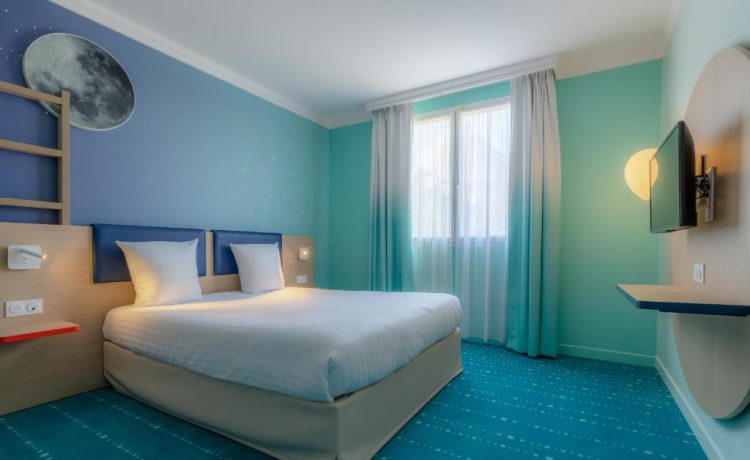
Introduction: The Hotel as a Window to the World
Few places hold as much quiet promise as a hotel. Whether grand or humble, urban or remote, the very word conjures a sense of possibility: a place where journeys pause, where mornings begin afresh, and where stories unfold behind closed doors. Hotels are not simply places to sleep; they are reflections of their surroundings, keepers of local character, and tiny kingdoms where hospitality transforms the ordinary into the memorable. In an era of alternative stays and do-it-yourself travel, the true hotel remains a timeless beacon for wanderers seeking comfort and a touch of the unexpected.
A Brief History: From Inns to Icons
The spirit of the hotel is rooted deep in human history. From the roadside inns of the Roman Empire to the caravanserais of the Silk Road, early travelers have always needed safe harbors along their routes. By the 19th century, with the rise of leisure travel and grand railway lines, hotels became more than shelters; they turned into monuments of architecture and social life. The Savoy in London dazzled Edwardian high society with electric lights and private bathrooms. The Waldorf Astoria in New York hosted presidents and celebrities, weaving itself into the fabric of American legend. These classic institutions set a standard of elegance and innovation that still shapes the best hotels today.
Grand Hotels: Where Heritage Meets Modern Indulgence
Certain hotels transcend their physical walls to become emblems of entire cities. Staying at one is as much about basking in heritage as it is about enjoying impeccable service.
The Peninsula Hong Kong
Since 1928, “The Grande Dame of the Far East” has welcomed dignitaries, film stars, and royalty. Afternoon tea in its grand lobby remains a rite of passage, while its Rolls-Royce fleet and helicopter transfers speak to the subtle drama of old-world glamour in a thoroughly modern city.
The Plaza, New York City
Few hotels are as instantly recognisable as The Plaza. Overlooking Central Park, its gilded corridors have seen the likes of F. Scott Fitzgerald and Marilyn Monroe sweep through its revolving doors. Even today, a stay here feels like stepping onto a page of New York’s cultural history, reimagined for a new century of travelers who expect both classic luxury and contemporary comfort.
Boutique Hotels: Small Scale, Big Soul
While grand hotels dazzle with scale and ceremony, boutique hotels enchant with intimacy and local flair. These are places where each detail tells a story, where guests trade anonymity for personality.
What Defines a Great Boutique Hotel:
-
Individuality: No two rooms are quite the same. Décor, art, and furniture reflect the owner’s vision rather than a corporate blueprint.
-
Connection to Place: Boutique hotels often occupy restored historic buildings, immersing guests in the neighborhood’s character.
-
Personal Touch: The staff often feels like family, remembering your name and your morning coffee order.
Imagine a former monastery in Portugal turned into a serene coastal hideaway, or a modern riad in Marrakech, where perfumed courtyards and candlelit nooks create a private sanctuary in the heart of the medina. These hotels remind us that luxury does not always lie in gold leaf and crystal chandeliers, but in thoughtful design and genuine warmth.
Modern Business Hotels: Efficiency Without Sacrificing Style
Not every hotel stay is for leisure. For countless travelers, the hotel is a second office, a brief home between flights, a place where the day’s negotiations turn into tomorrow’s opportunities. The best business hotels combine practicality with a sense of calm escape.
What Business Travelers Seek:
-
Location: Near airports, city centers, and transport links.
-
Connectivity: Strong Wi-Fi and flexible workspaces.
-
Reliability: Consistent service standards, early check-ins, and late check-outs.
-
Amenities: Fitness centers, healthy dining, and quiet corners to unwind after long meetings.
Brands like Hyatt, InterContinental, and newer luxury chains have elevated the business hotel from a purely functional stopover to a refined retreat where productivity and relaxation coexist seamlessly.
Wellness Hotels: Restorative Luxury for the Modern Age
In a world where burnout is common and the search for balance feels endless, hotels that focus on wellness are more relevant than ever. These properties position themselves not merely as places to stay but as destinations for holistic rejuvenation.
What Sets a Wellness Hotel Apart:
-
Location in Nature: Many are set amid forests, mountains, or on quiet beaches.
-
Holistic Programs: Yoga, meditation, spa treatments, and tailored nutrition.
-
Sustainability: An ethos that respects the environment and local communities.
From Ayurvedic retreats in Kerala to minimalist spa resorts in the Swiss Alps, wellness hotels offer guests a chance to reset their minds and bodies, often returning home with habits that linger long after checkout.
Sustainability: The New Standard of Luxury
Travelers today expect more than plush robes and infinity pools. They want to know that their stay supports local communities, protects the environment, and leaves as light a footprint as possible.
How Leading Hotels Are Going Green:
-
Energy Efficiency: Solar panels, smart temperature control, and water recycling.
-
Local Sourcing: Menus featuring organic, locally grown produce.
-
Community Engagement: Partnerships with artisans and community development projects.
-
Plastic-Free Operations: Reducing single-use plastics in rooms and restaurants.
Innovators like the Six Senses chain or eco-lodges hidden in Costa Rican rainforests prove that sustainability and luxury not only coexist — they enhance each other.
Why Hotels Remain Irreplaceable
Despite the explosion of homestays and short-term rentals, hotels remain a category apart. What sets them apart is not just polished sheets or stocked minibars but the promise that someone has thought of your comfort long before you arrived. There is a subtle art in anticipating your needs — the warm greeting at reception, the turndown chocolate left on the pillow, the bar that knows how to make your favorite drink before you ask.
In the end, a hotel is a promise — of safety, welcome, and perhaps a fleeting brush with glamour or adventure. It invites us to step out of the familiar and into a world curated with care.
Conclusion: A Room, A Refuge, A Memory
Whether you step into a glittering lobby overlooking a famous skyline or push open the carved wooden door of a hidden guesthouse on a quiet island, a hotel stay is always more than a transaction. It is an invitation to pause, rest, and gather yourself for whatever comes next. Long after the suitcase is unpacked and the key card forgotten, the memory of a truly great hotel — the soft hum of the hallway, the city lights beyond the curtains, the gentle assurance that you are, for this moment, entirely cared for — stays with you. In a world that rushes us forward, the best hotels remind us to stop, breathe, and dream a little before we move on.