

Choosing the right place to stay can shape your entire travel experience. Accommodation affects comfort, budget, location, and even how you connect with a destination. With so many options available today, understanding the main types of travel accommodation helps you make smarter decisions that match your travel style and priorities.
Below is a clear breakdown of the most common accommodation types and who they’re best suited for.
Hotels
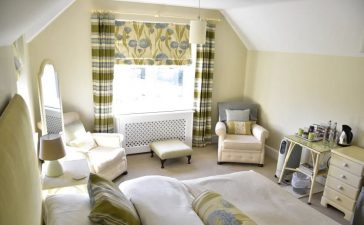
Hotels are the most traditional and widely available accommodation option.
Best features:
- Private rooms with en-suite bathrooms
- Daily housekeeping
- On-site amenities like restaurants, gyms, and room service
- Front-desk assistance and concierge services
Hotels range from budget to luxury and suit travelers who value convenience, reliability, and comfort.
Hostels
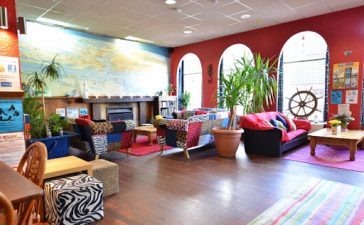
Hostels are popular among budget-conscious and social travelers.
What to expect:
- Shared dormitory rooms or private rooms
- Communal kitchens and social spaces
- Lower nightly rates
- Strong backpacker and solo traveler communities
They’re ideal for travelers who prioritize affordability and meeting others over privacy.
Vacation Rentals and Apartments
Vacation rentals offer a home-like experience, often booked through platforms like Airbnb.
Why travelers choose them:
- More space than hotel rooms
- Kitchens for self-catering
- Suitable for families or longer stays
- Located in residential neighborhoods
They provide flexibility and comfort, especially for extended trips.
Guesthouses and B&Bs
Guesthouses and bed-and-breakfasts offer a more personal experience.
Key characteristics:
- Smaller, family-run properties
- Fewer rooms and quieter atmosphere
- Breakfast often included
- Local hosts with destination knowledge
They’re great for travelers who enjoy warmth, charm, and local interaction.
Boutique Hotels
Boutique hotels combine style with personalized service.
What sets them apart:
- Unique design and character
- Smaller size than chain hotels
- Emphasis on atmosphere and experience
- Often centrally located
They suit travelers who want comfort with personality rather than uniformity.
Resorts
Resorts are designed for relaxation and all-in-one convenience.
Common features:
- On-site dining and entertainment
- Pools, spas, and recreational activities
- Beachfront or nature-focused locations
- Optional all-inclusive packages
Resorts are ideal for travelers who prefer staying in one place with minimal planning.
Homestays
Homestays allow travelers to live with local hosts in their homes.
Benefits include:
- Cultural immersion
- Home-cooked meals
- Insight into local lifestyles
- Budget-friendly pricing in many regions
They’re well suited for cultural travelers and slow travel enthusiasts.
Lodges and Eco-Lodges
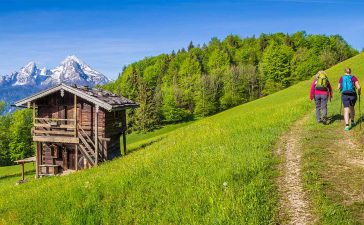
Lodges are often located in nature-focused destinations.
Typical advantages:
- Proximity to wildlife and outdoor activities
- Environmentally conscious design
- Guided experiences and tours
- Quiet, immersive settings
They appeal to adventure travelers and nature lovers.
Camping and Glamping
Camping offers the most direct connection to nature, while glamping adds comfort.
Differences include:
- Camping: tents, basic facilities, low cost
- Glamping: furnished tents or cabins with beds and bathrooms
Both options are popular for outdoor-focused trips and scenic locations.
How to Choose the Right Accommodation
Before booking, consider:
- Budget and length of stay
- Desired level of privacy
- Location and transport access
- Travel companions
- Purpose of the trip
The best accommodation supports your itinerary instead of complicating it.
Final Thoughts
There’s no single “best” type of travel accommodation—only what works best for you. Whether you prefer hotels for convenience, hostels for social energy, or vacation rentals for space and flexibility, understanding your options helps you travel more comfortably and confidently.
Frequently Asked Questions (FAQ)
1. Which type of accommodation is best for first-time travelers?
Hotels and guesthouses are usually best due to their reliability and support services.
2. Are vacation rentals cheaper than hotels?
They can be, especially for longer stays or group travel, but prices vary by location and season.
3. Do hostels offer private rooms?
Yes, many modern hostels provide private rooms alongside shared dorms.
4. What accommodation is best for families?
Vacation rentals and family-friendly hotels typically offer more space and convenience.
5. Are boutique hotels more expensive than regular hotels?
Not always. Pricing depends on location, amenities, and demand rather than hotel size.
6. Is it safe to stay in homestays?
Yes, when booked through reputable platforms and reviewed by previous guests.
7. How far in advance should accommodation be booked?
For peak seasons or popular destinations, booking several months ahead is recommended.